People are shocked when a Tesla driver shows off his or her first electric bill.
People are beginning to wonder how electric cars might affect their energy bills since they are seen as the cars of the future. Not long ago, a Tesla driver shared their first electric bill. Now it’s time to have a more serious conversation about what it means to use Tesla’s Powerwall for your home’s energy needs.
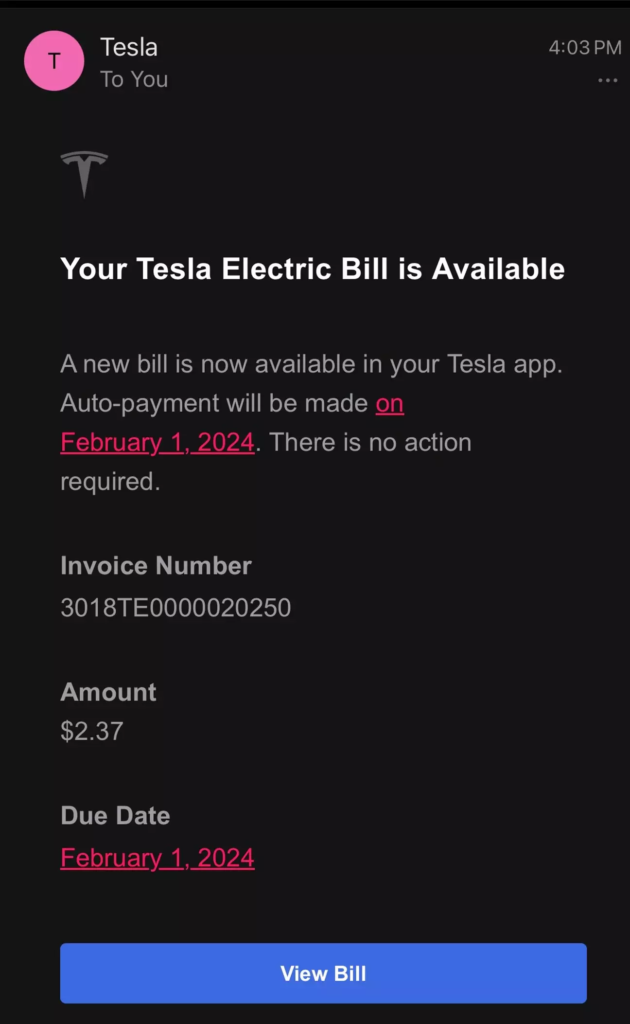
The Tesla owner went on X, which used to be called Twitter, to talk about how much electricity it would cost to run his car for a whole year. People thought the man would have a huge electric bill after a year, but it was only $2.37 (£1.89). Many people were surprised by the surprisingly low number in the post, which led to a debate about what people think about the idea that electric cars could cause electricity costs to rise.
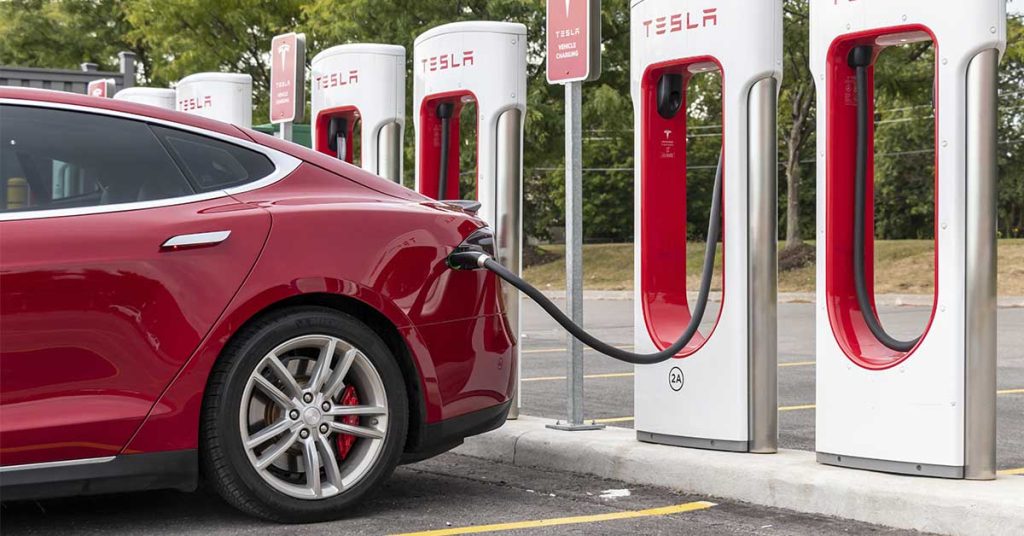
But when they looked more closely, they saw that the Tesla owner had solar panels connected to a Tesla Powerwall. The panels not only power the house, but they also store extra power that can be used to charge the Tesla. People online had funny things to say about the post, and some even suggested a GoFundMe campaign to help the “struggling” Tesla owner.
Tesla’s Powerwall: A Wonder
The Tesla Powerwall is at the center of this debate. It is a high-tech solar battery system designed to store energy from your home’s solar panels or roof.1 The lithium-ion battery in this Powerwall can hold 13.5kWh of energy with a 100% depth of discharge. This makes sure that you get the most power out of the energy you store. More than that, it can help you get away from the power grid if the power goes out.
There are different prices depending on where you live, but a single Powerwall costs $11,500. The cool thing is that there are discounts if you buy more than one unit. This makes it appealing to people who want an all-in-one energy solution for their home. Don’t worry—we’ll list all the costs, such as the installation fee and the prices for different amounts.
This part is very important. What you want to use the Powerwall units for determines how many you need. For example, if you want to run your whole house off the grid, you will need more than one unit. The pros say you’d need three to four Powerwalls for backup power for the whole house. However, one or two might be enough if you only need to cover part of the house.
There are two models from Tesla to pick from: the Powerwall 2 and the Powerwall+, which has a solar converter built in. Both can hold 13.5kWh, but the Powerwall+ is better because it has twice as much backup power and more on-grid power. Your choice will depend on how much energy you need and whether you want an all-in-one machine.
We can see that it works like a lithium-ion battery when we look inside. You can store solar energy in the Powerwall and use it when you need it. It also connects easily to your home’s electrical system. The inverter changes the DC electricity that is stored into AC electricity, so it works with the power supplies in your home. How about the rectifier? That changes the electricity coming in into DC so that it can be stored.
Not sure how long the Powerwall will last? Anyway, it’s still in pretty good shape after ten years. Tesla cares a lot about durability, and regular software updates keep battery degradation to a minimum.2 To keep it working well, they have lithium-ion cells, smart charging algorithms, and thermal management.
But there are some good things about it, like better solar efficiency and more installation options. Of course, there is a catch: it costs a lot up front, each unit has a different capacity, and you need more than one. If you’re thinking about getting a Powerwall, you should think about these things to see if it fits your energy needs and budget.
You might also want to weigh the benefits against the wait times. But if you move before 2032, you can get federal tax credits that make investing in Tesla solar and Powerwall even more appealing.
The electric bill of a Tesla driver is like a sneak peek into a world where Tesla Powerwalls power everything. We’ve talked about the technology, the costs, and what it means to use energy storage that is both environmentally friendly and effective. To make tomorrow greener, we need to make smart choices and use cool tech like the Powerwall.