What’s the point of the loops on the back of button-down shirts?
For, well, a long time, the button-down shirt has been an essential piece of clothing. A small detail that many people don’t notice, though, is the loop on the back of the shirt, which is commonly called the “locker loop.”1 This feature has a long history and a social meaning that you might not expect. Find out what the locker loop is all about using naval realism, Ivy League symbolism, and modern fashion trends.
Loops on the Back: How They Got Their Start
Imagine that Navy sailors don’t have a lot of room to store their uniforms. The loops were added to make hanging easier because they were a practical solution. The choice wasn’t made for style, but for ease of use. In the 1960s, these loops started to be worn by regular people. This was the start of the locker loop’s wider popularity.
After that, the clothing company GANT was very important in making the locker loop popular. This “locker” loop was made by GANT to keep Ivy League students’ shirts from getting wrinkled in their lockers. This marketing strategy worked really well and was liked by the fashion-conscious Ivy League community.
A lot of male students would take off the loop to show that they were no longer in a relationship. At the same time, women in the 1960s would wear their partner’s scarf back. However, this harmless tradition turned naughty when brave people would jokingly pull loops off the shirts of people they liked, which could tear a big hole in the shirt.
The loops on the back are a nod to the past.
Having loops on the back of your shirt became a sign of good taste and high quality as the Ivy League style spread. Over the years, well-known brands such as GANT, Sero, Wren, Creighton, and Eagle made their own locker loops. Student athletes used locker loops during games, which showed that the loop could be used for more than one thing.
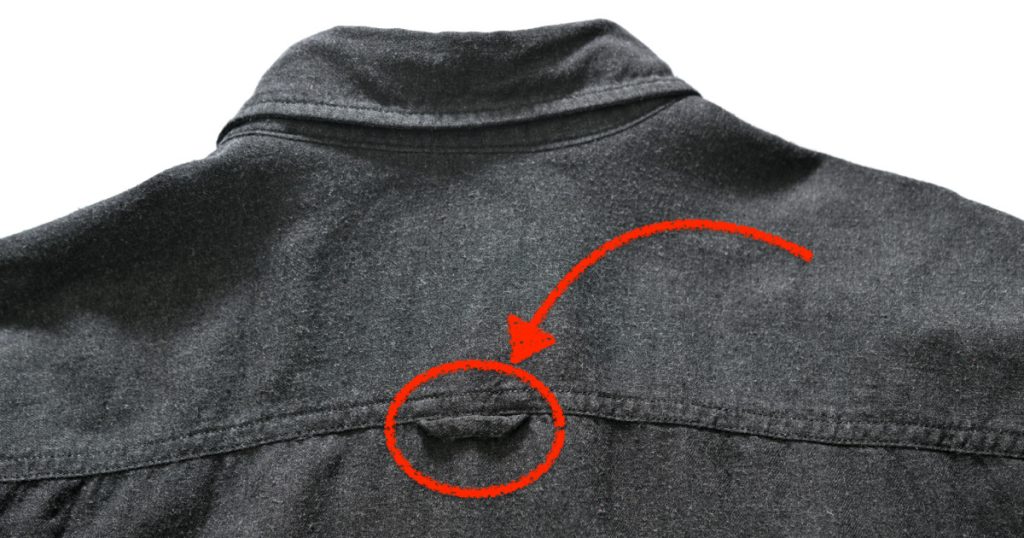
Loops on the back of shirts are still used today as a nod to the past and a way to make the shirt your own. The loop isn’t as useful as it used to be because of modern hangers, but its presence is a nod to the once-popular Ivy League style. Some stores, like Ralph Lauren and J.Crew, still sell shirts with locker loops, so nostalgia fans can still enjoy this small but historically important detail.
Customization Options: Locker Loop Can Be Removed or Added
If you have specific tastes, adding a loop to the back of your shirt makes your button-down options more flexible. Custom tailors can easily add or remove loops based on the client’s preferences. This lets people make clothes that fit both historical tradition and their own personal taste. Locker loops are still popular even though they aren’t useful anymore.
Whether they are used to hang shirts in lockers or just for looks, locker loops are a subtle reminder of how menswear has changed over time and how it all started out as a practical item.When you button your shirt next time, take a moment to enjoy the subtle charm and long history that this simple loop holds.